The urgency for sustainable and affordable housing solutions has never been greater. As urban populations surge and environmental concerns escalate, innovative approaches to community development are essential. Modular homes are emerging as a powerful solution, offering a pathway to building sustainable communities that are not only eco-friendly and energy-efficient but also affordable, resilient, and adaptable to the evolving needs of residents. This article explores the transformative potential of modular homes in creating sustainable communities, highlighting their key advantages for real estate developers, modular factory owners, general contractors, and private equity firms.
Affordability and Accessibility
One of the most pressing challenges in today’s housing market is the lack of affordable options, particularly in urban centers. Traditional construction methods often result in cost overruns and lengthy project timelines, which drive up prices and limit accessibility for many potential homeowners. Modular homes offer a viable alternative by streamlining the construction process and reducing overall costs.
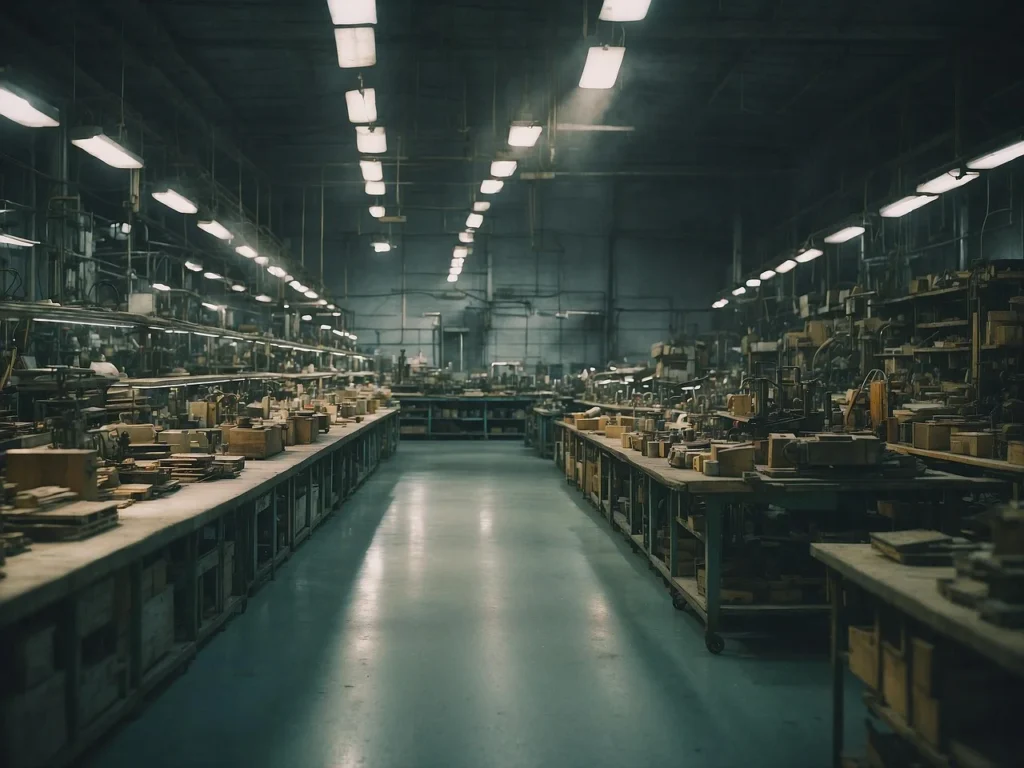
Modular construction leverages economies of scale by manufacturing components in a controlled factory environment. This approach minimizes material waste, reduces labor costs, and accelerates project completion. The controlled environment also protects materials from weather damage, further reducing waste and ensuring consistent quality. Because modular construction is more efficient, developers can pass those savings on to buyers, making homeownership more accessible to a broader range of income levels.
Furthermore, modular homes can be designed to meet a wide range of housing needs, from single-family residences to multi-unit apartments and townhouses. This flexibility enables developers to create communities that cater to a diverse range of lifestyles and demographics, fostering inclusivity and social equity. By incorporating features such as universal design and adaptable layouts, modular homes can also accommodate the needs of aging populations and individuals with disabilities, fostering a more inclusive and accessible community for all.
Energy Efficiency and Sustainability
Sustainability is no longer a buzzword but a critical imperative in the construction industry. Traditional building methods often rely on energy-intensive materials and processes, contributing to greenhouse gas emissions and environmental degradation. Modular homes, on the other hand, offer a more sustainable approach to construction, minimizing environmental impact and promoting energy efficiency.
Modular factories can be designed to incorporate sustainable practices, such as using recycled materials, implementing waste reduction programs, and optimizing energy consumption. The controlled environment also enables precise construction, minimizing air leaks and enhancing insulation, resulting in substantial energy savings for homeowners.
Moreover, modular homes can be easily integrated with renewable energy systems, such as solar panels and geothermal heating, further reducing their carbon footprint. Green roofs, rainwater harvesting systems, and other sustainable features can also be incorporated to enhance the community’s environmental performance. By prioritizing energy efficiency and sustainability, modular homes can help create communities that are not only environmentally responsible but also more resilient to climate change.
Rapid Construction and Community Development
Time is of the essence in real estate development. Traditional construction projects can take months or even years to complete, resulting in delayed occupancy and increased costs. Modular construction offers a significantly faster alternative, accelerating project timelines and enabling quicker community development.
Because modular components are manufactured in a factory while site preparation occurs simultaneously, the overall construction timeline can be reduced by up to 50%. This rapid construction not only saves time and money but also minimizes disruption to the surrounding community. Faster project completion also allows developers to generate revenue sooner, improving their return on investment.
Furthermore, modular construction can be particularly beneficial in addressing urgent housing needs, such as those resulting from disasters or affordable housing shortages. The ability to quickly assemble and deploy modular homes allows communities to respond rapidly to crises and provide safe, comfortable housing for those in need. By accelerating the pace of community development, modular homes can help create vibrant, thriving neighborhoods that meet the evolving needs of residents.
Flexibility and Adaptability
Communities are dynamic entities that evolve over time. Traditional construction methods often lack the flexibility to adapt to changing needs and preferences. Modular homes, on the other hand, offer a high degree of flexibility and adaptability, allowing communities to evolve and grow organically.
Modular homes can be easily reconfigured, expanded, or relocated to meet changing family needs or community priorities. This flexibility enables homeowners to tailor their living spaces to suit various stages of life. Modular units can also be easily added or removed to accommodate population growth or changing demographics.
Moreover, modular construction can be used to create mixed-use developments that combine residential, commercial, and community spaces. This approach promotes walkability, reduces reliance on cars, and fosters a sense of community. By creating flexible and adaptable communities, modular homes can help ensure that neighborhoods remain vibrant, resilient, and responsive to the evolving needs of residents.
Conclusion
Modular homes are revolutionizing the way we build communities, offering a sustainable, affordable, and adaptable solution to the challenges of modern housing. By leveraging the efficiency and precision of factory construction, modular homes can significantly reduce costs, minimize environmental impact, and accelerate project timelines. As urban populations continue to grow and environmental concerns intensify, modular homes offer a pathway to creating sustainable communities that are not only environmentally responsible but also economically viable and socially equitable. For real estate developers, modular factory owners, general contractors, and private equity firms, embracing modular construction is not just a smart business decision but also a commitment to building a more sustainable and resilient future for all.
3 Key Takeaways
- Affordability and Accessibility: Modular construction reduces costs through efficient manufacturing, making homeownership more accessible and catering to diverse housing needs.
- Energy Efficiency and Sustainability: Modular homes minimize environmental impact with sustainable materials, waste reduction, and integration of renewable energy systems.
- Rapid Construction and Adaptability: Modular construction accelerates project timelines, addresses urgent housing needs, and allows for flexible community development that evolves with residents’ needs.
#ModularHomes #SustainableCommunities #AffordableHousing #EcoFriendlyLiving #EnergyEfficientHomes #ModularConstruction #GreenBuilding #RapidConstruction #FlexibleHousing #InclusiveCommunities #ClimateResilient #FactoryBuiltHomes #UrbanDevelopment #SocialEquity