The construction industry is undergoing a rapid transformation, driven by the need for faster, more efficient, and sustainable building practices. Modular construction, with its inherent advantages in speed, precision, and waste reduction, is at the forefront of this evolution. But the future of housing isn’t just about how we build; it’s about what we build into our homes. Integrating smart home technology into modular builds is no longer a futuristic concept; it’s a present-day necessity, offering a powerful synergy that benefits developers, homeowners, and the environment alike.
This blog post will explore the compelling reasons why smart home technology and modular construction are a perfect match. We will explore the key areas where this integration delivers significant value, including seamless integration, energy efficiency, enhanced security, and future-ready design. For real estate developers, modular factory owners, general contractors, and private equity firms, understanding this convergence is crucial for staying competitive and shaping the future of residential construction.
Seamless Integration: A Symphony of Efficiency
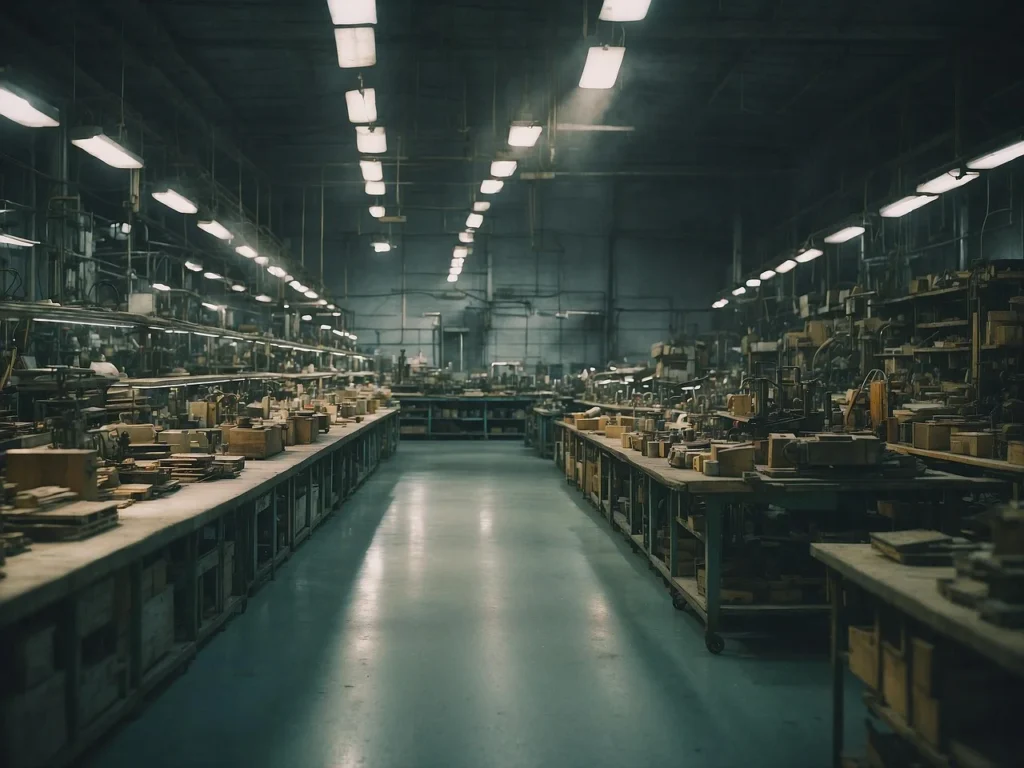
One of the most significant advantages of combining smart home technology with modular construction lies in the potential for seamless integration. Traditional construction often involves retrofitting smart devices after the building is complete, which can be costly, time-consuming, and disruptive. In contrast, modular construction allows for the pre-installation of smart home systems within the controlled environment of the factory.
Imagine a scenario where wiring for smart lighting, thermostats, security systems, and entertainment hubs is meticulously planned and installed during the modular construction process. This pre-planning eliminates the need for extensive on-site electrical work, reducing labor costs and minimizing potential errors. Furthermore, it allows for a cleaner, more aesthetically pleasing finish, as wires and devices can be concealed within the walls and ceilings during the manufacturing process.
The benefits extend beyond mere installation. By integrating smart home technology early on, developers can create a cohesive and user-friendly experience for homeowners. All devices can be pre-configured and connected to a central hub, allowing for easy control and automation from a single app or voice assistant. This “plug-and-play” approach simplifies the smart home experience, making it accessible to a wider range of users, regardless of their technical expertise.
For modular factories, this integration represents an opportunity to differentiate their product offering and increase the value proposition for their clients. By partnering with smart home technology providers, they can offer customized packages that cater to specific needs and preferences. This can range from basic smart lighting and thermostat control to more advanced features, such as whole-home automation and energy management systems.
The key to successful seamless integration lies in careful planning and collaboration between the modular factory, the smart home technology provider, and the developer. This collaboration should begin early in the design phase, ensuring that all systems are compatible and that the necessary infrastructure is in place. By working together, these stakeholders can create a truly integrated smart home experience that enhances the functionality, comfort, and convenience of modular homes.
Energy Efficiency: Building a Sustainable Future
In an era of increasing environmental awareness, energy efficiency is a top priority for homeowners and developers alike. Integrating smart home technology into modular builds offers a powerful pathway to reducing energy consumption and minimizing the environmental impact of residential construction.
Smart thermostats, for example, can learn homeowners’ heating and cooling preferences and automatically adjust the temperature based on occupancy and time of day. This can significantly reduce energy waste, especially in homes that are often unoccupied during the day. Smart lighting systems can further enhance energy efficiency by automatically dimming or turning off lights in unoccupied rooms.
Beyond individual devices, smart home technology can also be utilized to enhance the overall energy efficiency of a modular home. Smart energy management systems can monitor energy consumption in real-time, providing homeowners with valuable insights into their energy usage patterns. This information can be used to identify areas where energy can be saved, such as adjusting thermostat settings or upgrading them to more energy-efficient appliances.
The inherent advantages of modular construction further amplify the energy efficiency benefits of smart home technology. Modular homes are typically built with tighter seals and better insulation than traditional homes, which reduces air leakage and improves energy efficiency. When combined with smart home technology, this creates a highly efficient and sustainable living environment.
For developers, incorporating energy-efficient smart home features into modular builds can be a significant selling point. Energy-efficient homes are not only more attractive to environmentally conscious buyers, but they also offer long-term cost savings in the form of lower utility bills. This can increase the property’s value and make it more competitive in the market.
Furthermore, integrating smart home technology into modular builds can contribute to achieving green building certifications, such as LEED or Energy Star. These certifications can enhance the developer’s reputation and demonstrate a commitment to sustainability.
Enhanced Security: Protecting What Matters Most
Security is a fundamental need for all homeowners, and smart home technology offers a range of features that can enhance the safety and security of modular homes.
Smart security systems can include features such as door and window sensors, motion detectors, and security cameras. These systems can be monitored remotely, allowing homeowners to keep an eye on their property from anywhere in the world. In the event of a break-in or other security breach, the system can automatically alert the homeowner and the authorities.
Smart locks provide an additional layer of security, enabling homeowners to remotely control access to their homes. These locks can be programmed with unique access codes for family members, friends, or service providers. They can also be integrated with other smart home devices, such as lighting and security cameras, to create a comprehensive security system.
Beyond preventing break-ins, smart home technology can also enhance safety within the home. Smart smoke detectors and carbon monoxide detectors can alert homeowners to potential hazards and automatically notify emergency services. Smart water leak detectors can detect leaks before they cause significant damage, preventing costly repairs.
For modular construction, integrating security systems during the manufacturing process offers several advantages. Wiring and sensors can be concealed within the walls and ceilings, creating a cleaner and more secure installation. Furthermore, the system can be pre-configured and tested before the home is delivered to the site, ensuring that it is fully functional from day one.
By offering enhanced security features, developers can provide homeowners with peace of mind and increase the value of their modular homes. This can be a significant selling point, especially for families with young children or individuals who live alone.
Future-Ready Design: Adapting to Evolving Needs
The rapid pace of technological innovation means that today’s smart home technology may be outdated in a few years. Therefore, it is crucial to design modular homes with future-ready infrastructure that can accommodate evolving needs and technologies.
This includes ensuring that the home has sufficient wiring and bandwidth to support future smart devices. It also means designing the home with flexible spaces that can be easily adapted to accommodate new technologies.
One approach is to incorporate a modular wiring system that allows for easy upgrades and modifications. This system can include pre-wired conduits and junction boxes that allow for the addition of new devices or the upgrade of existing ones.
Another approach is to design the home using open-source platforms that enable interoperability between various smart home devices. This ensures that homeowners are not locked into a specific ecosystem and can choose the devices that best meet their needs.
For modular factories, offering future-ready design options can be a significant differentiator. By anticipating future technological trends, they can provide homeowners with homes that are not only smart today but also adaptable to tomorrow’s technologies.
By embracing smart home technology and future-ready design, modular construction can revolutionize the way we build and live in our homes. This convergence offers a powerful combination of efficiency, sustainability, security, and adaptability, creating homes that are not only comfortable and convenient but also environmentally responsible and future-proof.
In conclusion, integrating smart home technology into modular builds is a strategic imperative for stakeholders across the construction industry. It’s not just about adding gadgets; it’s about creating intelligent, efficient, and sustainable living spaces that meet the evolving needs of modern homeowners. By embracing this synergy, developers, modular factory owners, general contractors, and private equity firms can unlock new opportunities for growth, innovation, and positive impact.
Key Takeaways:
- Seamless Integration: Pre-planning and factory installation of smart home systems reduces costs, minimizes errors, and creates a user-friendly experience.
- Energy Efficiency: Smart home technology, combined with the inherent advantages of modular construction, significantly reduces energy consumption and promotes sustainability.
- Future-Ready Design: Incorporating flexible infrastructure and open-source platforms ensures that modular homes can adapt to evolving technologies and homeowner needs
#SmartModularHomes #SmartHomeTech #ModularConstruction #EnergyEfficientHomes #SustainableBuilding #FutureReadyHomes #HomeAutomation