
The construction industry is undergoing a significant transformation, driven by the need for faster, more efficient, and sustainable building practices. Among the most promising innovations are modular kitchen and bathroom pods, prefabricated units constructed in a factory setting and then transported to the construction site for seamless integration. These pods are not just a trend; they represent a fundamental shift in how we approach building design and execution, offering numerous benefits for real estate developers, general contractors, and ultimately, homeowners.
This blog post will explore the latest innovations in modular kitchen and bathroom pods, highlighting their efficiency, sustainability, and the integration of smart technology. We’ll explore how these advancements are transforming the construction landscape, delivering cost savings, and paving the way for a more streamlined and environmentally conscious future.
Efficiency in Construction
Delays, cost overruns, and logistical challenges often plague the traditional construction process. Modular construction, particularly with kitchen and bathroom pods, offers a compelling solution to these problems. By shifting a significant portion of the construction process to a controlled factory environment, modular construction drastically reduces on-site construction time. This acceleration is achieved through several key factors.
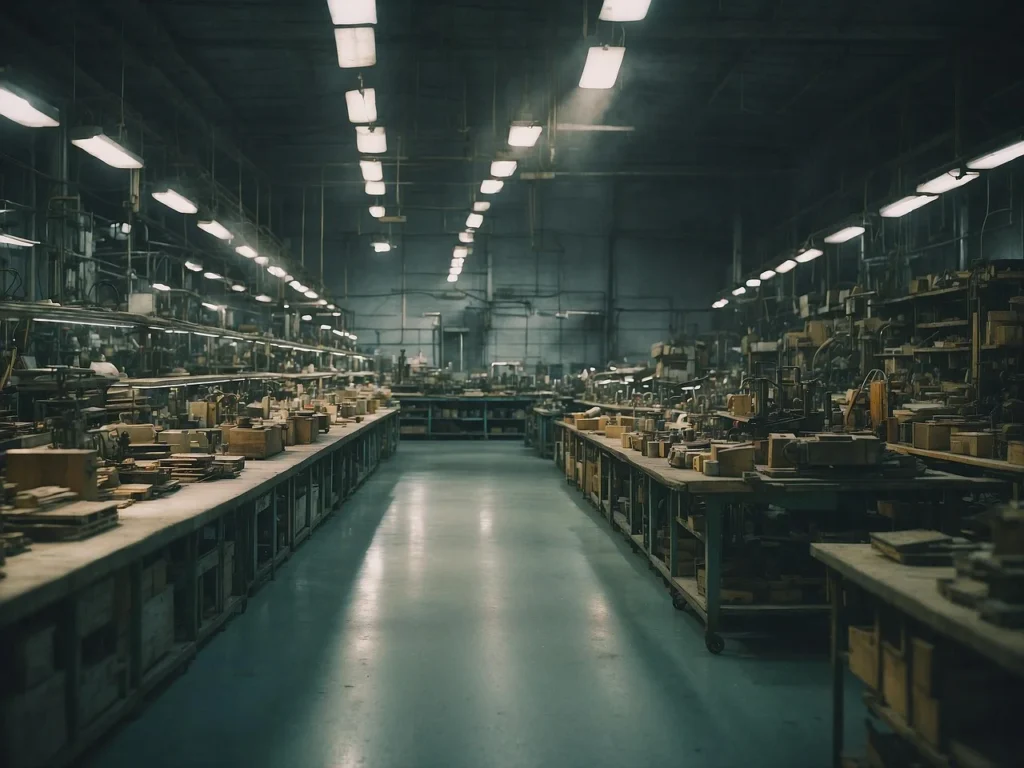
First, factory production lines allow for parallel construction. While the building’s foundation and structure are being prepared on-site, the kitchen and bathroom pods are being manufactured simultaneously in the factory. This concurrent process significantly shortens the overall project timeline compared to traditional sequential construction.
Second, the controlled environment of a factory minimizes weather-related delays, a common occurrence in traditional construction. Rain, snow, or extreme temperatures can halt on-site progress, leading to costly downtime. Modular factories operate regardless of external weather conditions, ensuring consistent production schedules and predictable delivery times.
Third, modular construction benefits from optimized material management and reduced waste. In a factory setting, materials are ordered in bulk, minimizing waste through precise cutting and fabrication processes. This contrasts sharply with on-site construction, where material waste is often a significant concern due to inaccurate measurements, damage, and theft.
Efficiency gains extend beyond time savings. Reduced on-site labor requirements translate to lower labor costs. The streamlined process also minimizes the need for extensive on-site coordination and management, further contributing to cost savings. For real estate developers, this translates to faster project completion, quicker return on investment, and increased profitability. For general contractors, it means reduced risk, improved project control, and the ability to take on more projects simultaneously.
Plug-and-Play Convenience
One of the most appealing aspects of modular kitchen and bathroom pods is their “plug-and-play” convenience. These units arrive on-site virtually completely, equipped with all necessary fixtures, appliances, plumbing, electrical wiring, and finishes. This eliminates the need for extensive on-site installation and coordination of various trades, streamlining the final stages of construction.
The plug-and-play nature of these pods significantly reduces the potential for errors and rework. Because the units are manufactured in a controlled environment, quality control is much easier to maintain. Each pod undergoes rigorous inspection before leaving the factory, ensuring that it meets the required specifications and standards. This minimizes the risk of defects and ensures a consistent level of quality across all units.
Furthermore, the modular approach simplifies the integration process with the building’s overall infrastructure. The pods are designed with pre-engineered connections for plumbing, electrical, and ventilation systems, allowing for quick and easy hookup to the building’s main utilities. This eliminates the need for complex on-site modifications and reduces the potential for compatibility issues.
The plug-and-play convenience of modular kitchen and bathroom pods also offers significant advantages for renovation projects. Installing a modular bathroom pod, for example, can be a much less disruptive and time-consuming process than traditional bathroom renovation. This is particularly beneficial for hotels, hospitals, and other commercial buildings where minimizing downtime is crucial.
Sustainability and Waste Reduction
In an era of increasing environmental awareness, sustainability is a key consideration in the construction industry. Modular kitchen and bathroom pods offer significant advantages in terms of sustainability and waste reduction compared to traditional construction methods.
As mentioned earlier, modular construction minimizes material waste through optimized material management and precise fabrication processes. In a factory setting, materials are utilized more efficiently, and any leftover materials can be recycled or repurposed for reuse. This reduces the amount of waste sent to landfills, contributing to a more sustainable construction process.
Furthermore, modular factories often implement sustainable manufacturing practices, including the use of recycled materials, reduced energy consumption, and minimized water usage. These practices further enhance the environmental benefits of modular construction.
The reduced on-site construction time associated with modular construction also contributes to sustainability. Shorter construction timelines result in lower energy consumption from on-site equipment and reduced emissions from transportation vehicles.
Ultimately, modular construction enables greater flexibility in design and material selection. Developers can choose sustainable materials, such as bamboo flooring, recycled countertops, and low-VOC paints, to further enhance the environmental performance of the kitchen and bathroom pods.
Advancements in Smart Technology
The integration of smart technology is transforming modular kitchen and bathroom pods, adding a new layer of convenience, efficiency, and personalization. Smart features are being incorporated into various aspects of these pods, including lighting and temperature control, water conservation, and security.
Smart lighting systems enable automated lighting control, adjusting brightness and color temperature according to the time of day or user preferences. Smart thermostats enable remote temperature control, optimizing energy consumption and ensuring comfortable living conditions.
Smart water management systems can monitor water usage, detect leaks, and automatically shut off the water supply in case of emergencies. These systems can help conserve water and prevent costly water damage.
Smart appliances, such as refrigerators, ovens, and dishwashers, can be integrated into kitchen pods, offering features like remote control, energy monitoring, and automated maintenance alerts.
Furthermore, smart security systems can be incorporated into the bathroom pods, providing features such as motion detection, remote monitoring, and emergency alerts.
The integration of smart technology not only enhances the functionality and convenience of modular kitchen and bathroom pods but also contributes to energy efficiency, water conservation, and overall sustainability. As smart technology continues to evolve, we can expect to see even more innovative applications in modular construction.
Conclusion
Innovations in modular kitchen and bathroom pods are revolutionizing the construction industry, offering a compelling solution to the challenges of traditional building practices. From increased efficiency and reduced costs to enhanced sustainability and the integration of smart technology, these pods are transforming how we design, build, and live in our homes and commercial spaces. As the demand for faster, more efficient, and sustainable construction solutions continues to grow, modular kitchen and bathroom pods are poised to play an increasingly important role in the future of the built environment. Real estate developers, modular factory owners, and general contractors should recognize the immense potential of this technology and adopt it to stay ahead in the evolving construction landscape.
3 Key Takeaways
- Efficiency is Key: Modular kitchen and bathroom pods significantly reduce construction time and costs through parallel construction, controlled factory environments, and optimized material management.
- Sustainability Matters: Modular construction minimizes waste, promotes the use of sustainable materials, and reduces energy consumption, contributing to a more environmentally friendly building process.
- Smart Technology Integration: The incorporation of smart features enhances convenience, efficiency, and personalization, transforming modular kitchen and bathroom pods into intelligent and connected living spaces.
#ModularConstruction #SmartKitchens #BathroomPods #ConstructionInnovation #EfficientBuilding