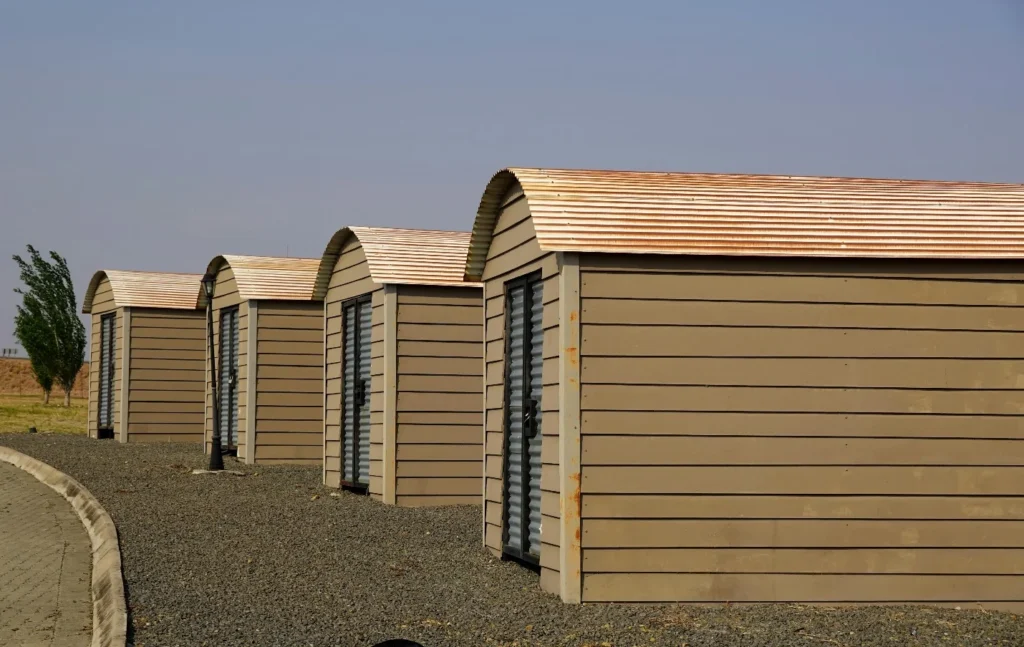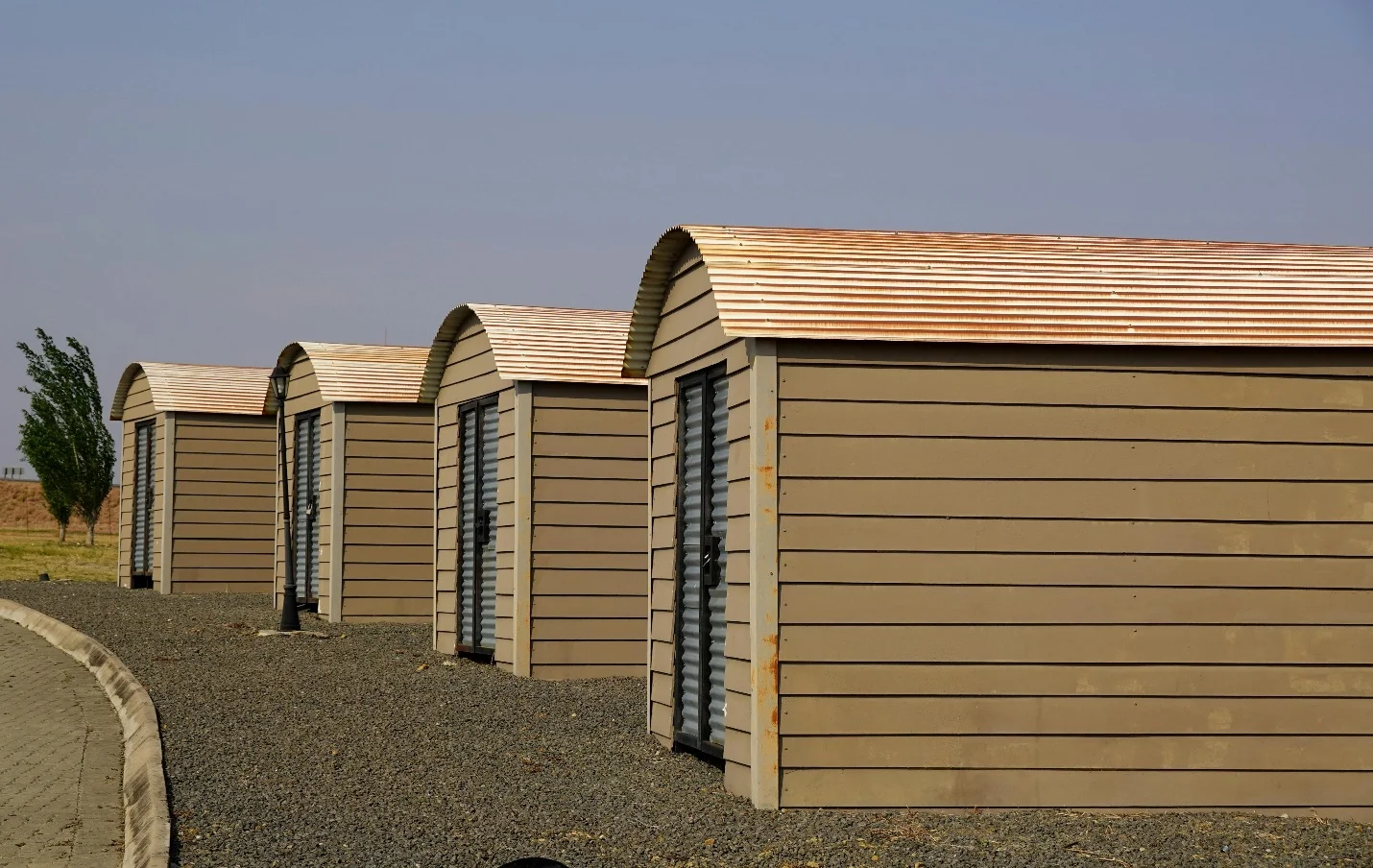

Modular construction, a process where buildings are constructed off-site in a controlled factory environment, is rapidly transforming the construction industry. This innovative approach offers a compelling alternative to traditional stick-built construction, promising enhanced efficiency, superior quality control, and a reduced environmental footprint. As real estate developers, modular factory owners, general contractors, and private equity firms increasingly explore the potential of modular construction, it’s crucial to understand both its significant advantages and inherent limitations. This article delves into the core benefits and challenges of modular construction, providing a comprehensive overview for those considering its adoption.
One of the most significant hurdles in modular construction lies in the complexities of design and regulatory compliance. While modular designs offer a degree of flexibility, they also require careful consideration of transportation constraints and module integration. Architects and engineers must work collaboratively to create designs that are both aesthetically pleasing and structurally sound, while also adhering to the dimensional limitations imposed by transportation logistics. This often necessitates a shift in design thinking, requiring professionals to embrace standardization and modularity from the outset of a project.
Furthermore, navigating the regulatory landscape can be a daunting task. Building codes and regulations vary significantly across different jurisdictions, and many existing codes are not specifically tailored to modular construction. This can lead to confusion and delays as developers seek approvals and inspections. Overcoming these challenges requires proactive engagement with local authorities, thorough documentation, and a deep understanding of applicable codes and standards. Industry organizations are actively working to harmonize regulations and promote the acceptance of modular construction, but it remains a critical area for improvement.
Despite these challenges, the potential for cost savings is a major driver of interest in modular construction. By leveraging economies of scale in a factory setting, modular construction can significantly reduce labor costs, minimize material waste, and shorten project timelines. The controlled environment of a factory allows for precise material management, reducing waste by as much as 90% compared to traditional construction sites. Moreover, the streamlined production process enables manufacturers to negotiate better prices with suppliers, further contributing to cost savings.
The reduced project timelines associated with modular construction also translate into significant financial benefits. Faster completion times mean quicker returns on investment for developers and reduced carrying costs. In addition, modular construction can minimize disruption to surrounding communities, reducing potential costs associated with noise complaints and traffic congestion. While the initial investment in modular design and engineering may be higher, the long-term cost savings and increased efficiency often make it a compelling economic proposition.
Beyond cost savings, modular construction offers the potential for improved quality control. The controlled environment of a factory allows for rigorous quality inspections at every stage of the construction process. Unlike traditional construction sites, where weather conditions and other external factors can compromise quality, modular factories provide a consistent and predictable environment. This enables manufacturers to implement standardized processes and procedures, ensuring that each module meets the highest standards of quality and precision.
Furthermore, modular construction allows for the integration of advanced technologies, such as Building Information Modeling (BIM) and robotic automation, which can further enhance quality control. BIM enables designers and engineers to create detailed 3D models of buildings, identifying potential issues and resolving them before construction begins. Robotic automation can improve the accuracy and efficiency of manufacturing processes, reducing the risk of human error. By leveraging these technologies, modular construction can deliver buildings that are not only aesthetically pleasing but also structurally sound and durable.
One of the most compelling advantages of modular construction is its speed and efficiency. By constructing modules off-site while site preparation occurs simultaneously, modular construction can significantly reduce project timelines. This parallel construction process can shorten project completion times by as much as 30% to 50% compared to traditional construction methods. The faster completion times translate into significant benefits for developers, including quicker returns on investment, reduced carrying costs, and the ability to bring projects to market faster.
Moreover, modular construction minimizes disruption to surrounding communities. Since the majority of construction takes place off-site, there is less noise, dust, and traffic congestion at the project site. This can be particularly beneficial in urban areas where construction projects can have a significant impact on residents and businesses. The reduced disruption also helps to maintain positive relationships with the community, which can be crucial for obtaining approvals and permits for future projects. Modular construction offers a more sustainable and community-friendly approach to building development.
In conclusion, modular construction presents a compelling alternative to traditional building methods, offering significant advantages in terms of cost savings, quality control, and speed. While challenges related to design, regulation, and initial investment exist, the potential benefits make it an increasingly attractive option for real estate developers, general contractors, and private equity firms. As the industry continues to evolve and overcome these challenges, modular construction is poised to play a significant role in shaping the future of the built environment. By embracing innovation and collaboration, the construction industry can unlock the full potential of modular construction and deliver buildings that are not only more efficient and sustainable but also of higher quality and value.
3 Key Takeaways:
- Cost Efficiency: Modular construction offers potential cost savings through reduced labor costs, minimized material waste, and faster project completion times.
- Enhanced Quality: The controlled factory environment allows for rigorous quality control and the integration of advanced technologies, resulting in higher-quality buildings.
- Speed and Sustainability: Modular construction significantly reduces project timelines and minimizes disruption to surrounding communities, making it a more sustainable and efficient building method.